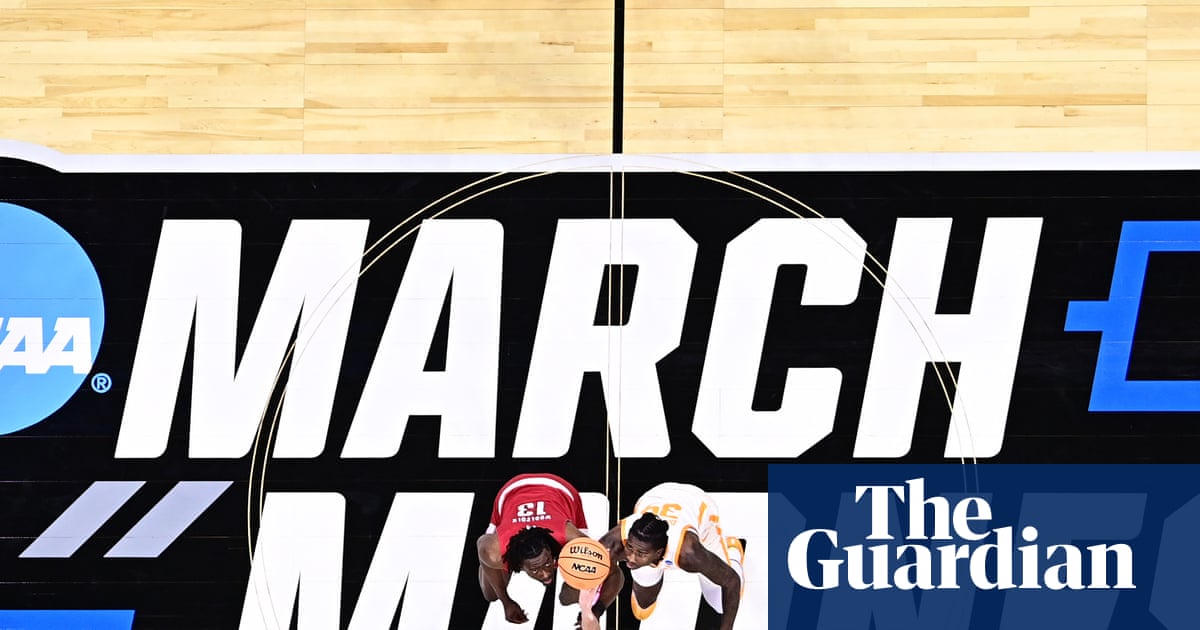
NCAA Fires Legal Warning Shot: March Madness Trademarks Under Scrutiny with DraftKings Lawsuit
The world of college athletics, already buzzing with the electrifying energy of the March Madness tournament, just saw a new kind of battle erupt – one fought not on the hardwood, but in the courtroom. The National Collegiate Athletic Association (NCAA) has initiated legal action against online sports betting giant DraftKings, seeking an emergency restraining order to prevent the platform from using several of its highly recognizable and legally protected trademarks. This high-stakes dispute underscores the immense commercial value tied to phrases like "March Madness," "Final Four," and "Elite Eight," terms that evoke passionate fan engagement and drive significant revenue for the NCAA. As college basketball enthusiasts eagerly follow the latest
Ncaa Games Today, this lawsuit highlights the ongoing tension between intellectual property rights and the burgeoning legal sports betting industry.
The Legal Arena: NCAA Takes Action Against DraftKings
The complaint, filed in the Southern District of Indiana, targets DraftKings' alleged use of the NCAA's registered trademarks in its sports betting products, promotional campaigns, and marketing materials. Specifically, the NCAA is requesting that DraftKings cease using terms such as "March Madness," "Final Four," "Elite Eight," and "Sweet Sixteen," or any variations thereof.
The NCAA's swift legal move with a request for an emergency restraining order signals the organization's intent to immediately halt what it perceives as unauthorized commercial exploitation of its brand identity. For the NCAA, these trademarks are more than just words; they are the bedrock of its most lucrative and recognizable events, meticulously built over decades. The "March Madness" brand, in particular, has become synonymous with thrilling upsets, buzzer-beaters, and unparalleled excitement, drawing in millions of viewers and generating substantial advertising and licensing revenue. The lawsuit argues that DraftKings' use of these terms could create a false impression of affiliation or endorsement, potentially diluting the NCAA's brand and diverting value.
Protecting a Legacy: Why March Madness Trademarks Matter
Trademarks serve a critical function in business and branding: they identify the source of goods or services and distinguish them from those of competitors. For an organization like the NCAA, its trademarks are invaluable assets. "March Madness" isn't just a catchy phrase; it's a carefully cultivated brand that represents one of the most popular sporting events globally. The intellectual property associated with the NCAA Men's and Women's Basketball Tournaments – including the "Final Four," "Elite Eight," and "Sweet Sixteen" – carries immense commercial weight.
This commercial value is derived from several factors:
- Brand Recognition: These terms are instantly recognizable worldwide, immediately evoking images of intense competition and dramatic moments.
- Exclusivity: The NCAA invests heavily in promoting these events, and exclusive control over their branding allows them to monetize this recognition through official sponsorships, broadcasting rights, and merchandise.
- Consumer Trust: Official trademarks assure consumers of authenticity and quality, distinguishing authorized products and services from unofficial or potentially misleading ones.
- Revenue Generation: Licensing these trademarks is a significant source of income for the NCAA, which is then used to support various collegiate sports programs and student-athletes.
When a company like DraftKings uses these terms without authorization, the NCAA's argument centers on trademark infringement. This is not merely about financial loss; it's about maintaining control over its brand identity, preventing dilution, and ensuring that the public understands the official sources of tournament-related content and services. The NCAA is safeguarding the integrity and commercial viability of its most celebrated annual event against what it perceives as free-riding on its established goodwill and brand equity.
On the Hardwood: The Unpredictable Thrill of Ncaa Games Today
While the legal battle unfolds, the action on the court continues to deliver the drama that makes these trademarks so valuable. The recent First Four matchup between Texas and North Carolina State is a prime example of the unpredictable excitement that defines March Madness and draws immense attention to
Ncaa Games Today.
In a nail-biting encounter in Dayton, Ohio, the No. 11 seed Texas Longhorns, entering the tournament on a losing streak, faced off against the No. 11 seed NC State Wolfpack, who also stumbled into March. The game was a defensive struggle, a stark contrast to their high-scoring November meeting in the Maui Invitational. Texas built an early lead, only to see it dwindle as NC State rallied fiercely in the first half.
The second half brought even more tension. Texas, led by Tramon Mark's crucial plays and scoring, maintained a lead for much of the period. Mark, who finished with 17 points, delivered a fadeaway jumper with just 1.1 seconds left on the clock, silencing the Wolfpack's late surge and securing a 68-66 victory for the Longhorns. NC State had clawed their way back, with Darrion Williams (21 points) and Paul McNeil Jr. hitting key three-pointers, and Tre Holloman tying the game at 66-all from the free-throw line.
Longhorns coach Sean Miller praised his team's mental resilience, emphasizing their ability to move past recent losses and approach the tournament with a "clear mind, a good spirit." Players like Chendall Weaver, who recorded his first career double-double with 11 points and 10 rebounds, and Dailyn Swain, who followed Coach Miller from Xavier, contributed significantly to the hard-fought win.
This thrilling victory propelled Texas into the main bracket, where they are set to face sixth-seeded BYU on Thursday night in Portland, Oregon. This upcoming game is another testament to the ongoing excitement and must-watch nature of
March Madness Update: Texas Advances to Face BYU on Thursday, capturing the essence of what the NCAA is trying to protect with its trademarks.
The Evolving Landscape: Sports Betting, Fan Engagement, and Intellectual Property
The lawsuit against DraftKings comes at a time when legal sports betting is rapidly expanding across the United States. Many states have legalized online sports wagering, creating a booming industry that heavily relies on the popularity of major sporting events like March Madness. This has opened new avenues for fan engagement but also created new challenges for sports organizations like the NCAA in protecting their intellectual property.
The NCAA's stance underscores a broader concern within professional and collegiate sports regarding how betting platforms use official branding and data. While official partnerships exist between some leagues and sportsbooks, unauthorized use remains a contentious issue. The outcome of this lawsuit could set a precedent for how sports betting operators can market their products around major tournaments, potentially influencing future relationships between sports bodies and betting companies.
For fans, this legal dispute might seem distant from the excitement of
Ncaa Games Today. However, it's intrinsically linked. The revenue generated from the NCAA's trademarks directly supports collegiate athletics, impacting everything from scholarships to facilities. Protecting these assets ensures the long-term health and growth of college sports, which ultimately delivers the thrilling games that captivate millions each year.
The balance lies in allowing legitimate commercial activity and fan engagement while safeguarding the foundational elements that make events like March Madness so special and valuable. Companies looking to capitalize on the excitement of the NCAA Tournament must navigate the complex landscape of intellectual property rights, ensuring their marketing efforts respect the established brands that drive the very appeal they seek to leverage.
Conclusion
The NCAA's lawsuit against DraftKings is a significant development in the ongoing saga of intellectual property protection in the digital age, particularly within the context of legalized sports betting. As the March Madness tournament continues to deliver unforgettable moments, from Tramon Mark's game-winner for Texas to future high-stakes matchups like Texas vs. BYU, the NCAA is sending a clear message: its iconic trademarks are not up for grabs. This legal challenge highlights the critical importance of brand protection for major sports organizations and will undoubtedly shape how sports betting operators approach marketing around premier events, ensuring that the unique value of "March Madness" remains firmly under the NCAA's control.